UPCOMING

  • LINE  |  SPACE

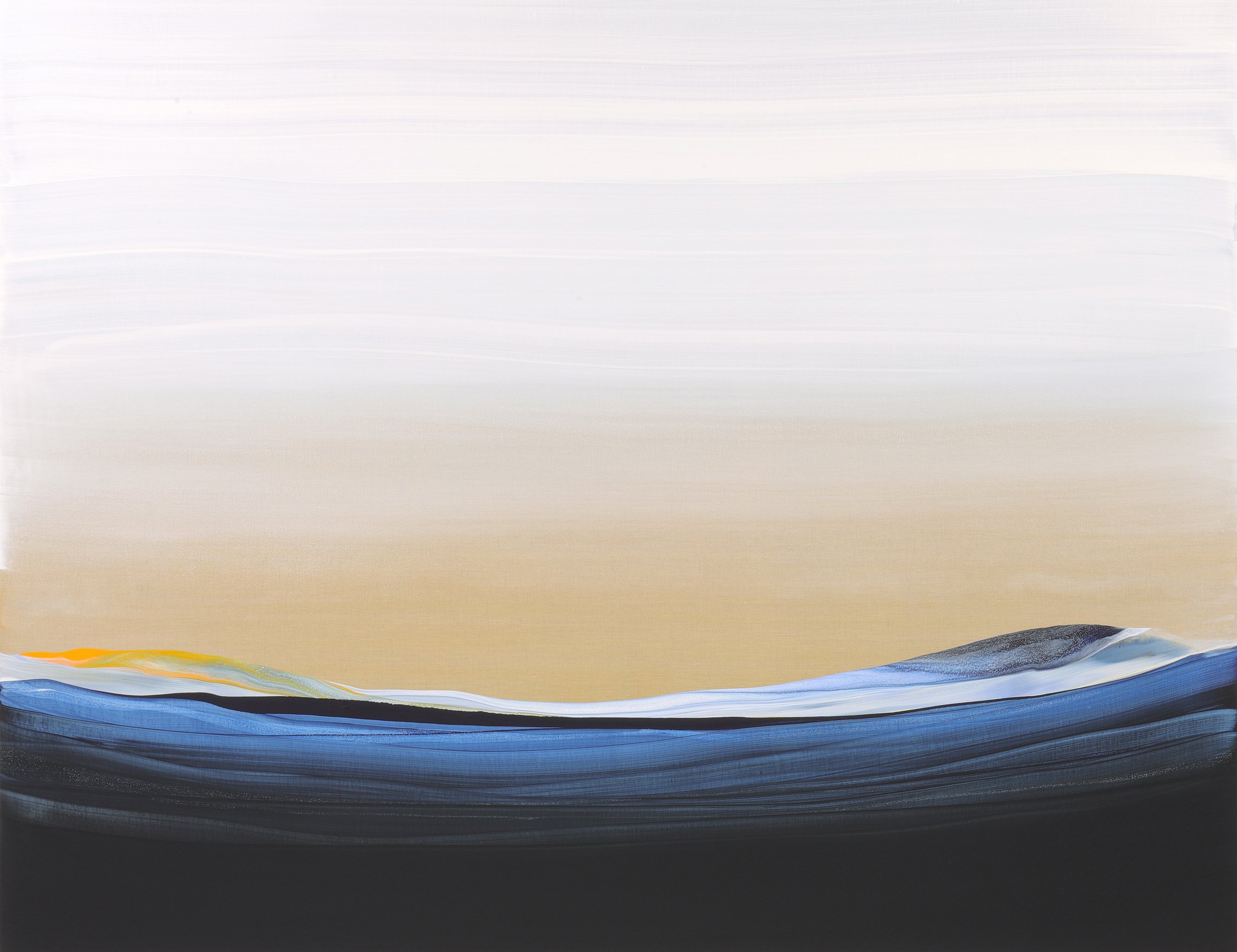
    LINE | SPACE

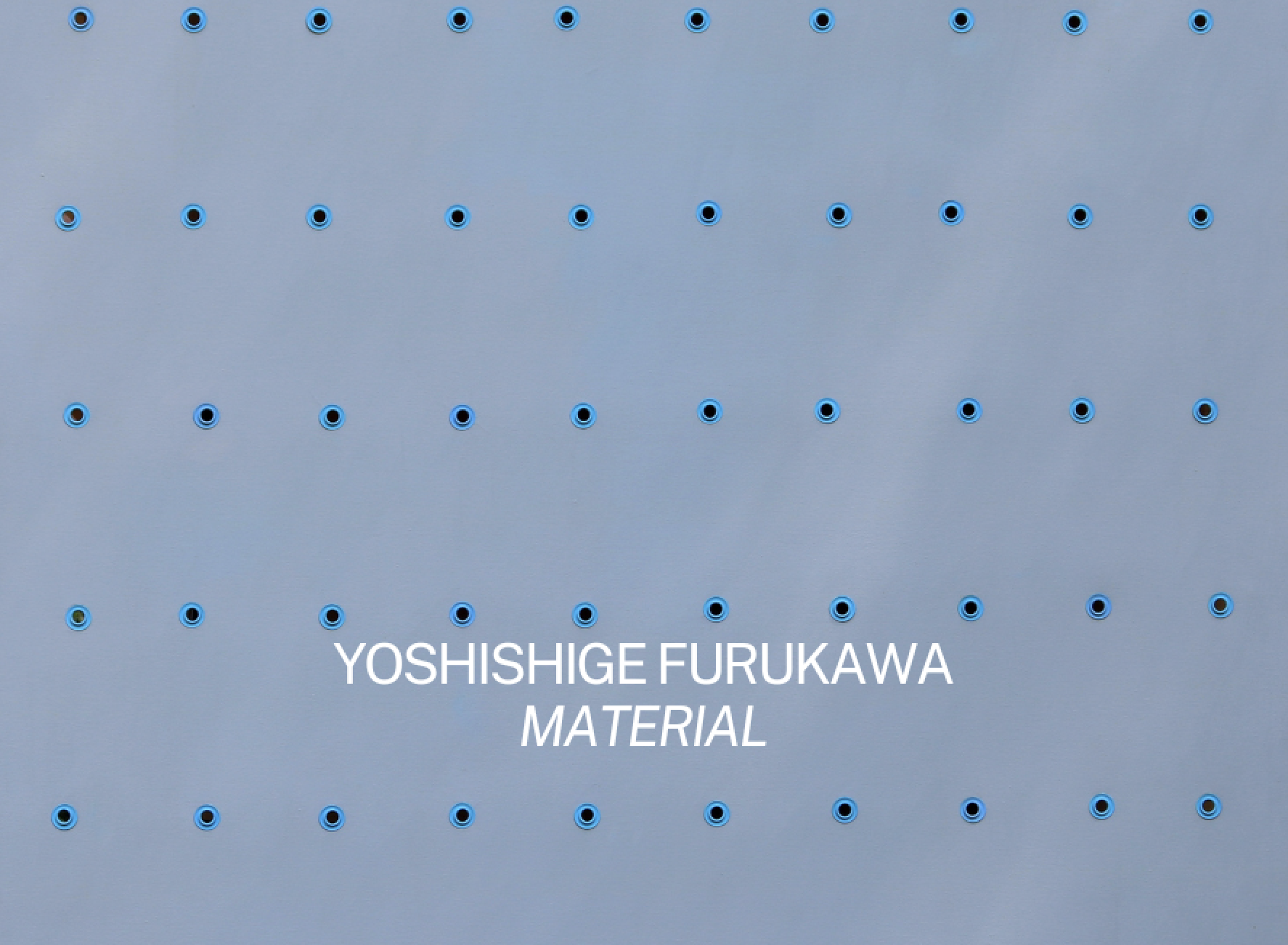
    March 20 - May 1, 2026

    “A line is a dot that went for a walk.”

    
- Paul Klee

    The moving dot, a term coined by Paul Klee, defines the line as a dynamic, active mark rather than a static one. Its starts from one point and moves across a two-dimensional surface or into a three-dimensional space. Lines are used to define boundaries, contours, and shapes. They can create the illusion of three-dimensional space on a flat surface through techniques like contour drawing. Lines do also suggest motion, gesture, and direction, guiding the viewer's eye through a composition. Lines are essential for constructing and defining space.

    In art theory, the relationship between line and space is a fundamental dialogue that defines how we perceive form, depth, and energy. A line is more than a mark; it is the "path of a moving dot" that carves out space and gives it meaning.

    Line and space are inseparable. A line cannot exist without space to move through, and space remains an empty void until a line defines its limits or guides the eye across it. Whether through the sharp angles of a skyscraper or the organic flow of a landscape, the line acts as the skeletal structure that gives space its character, rhythm, and narrative.